
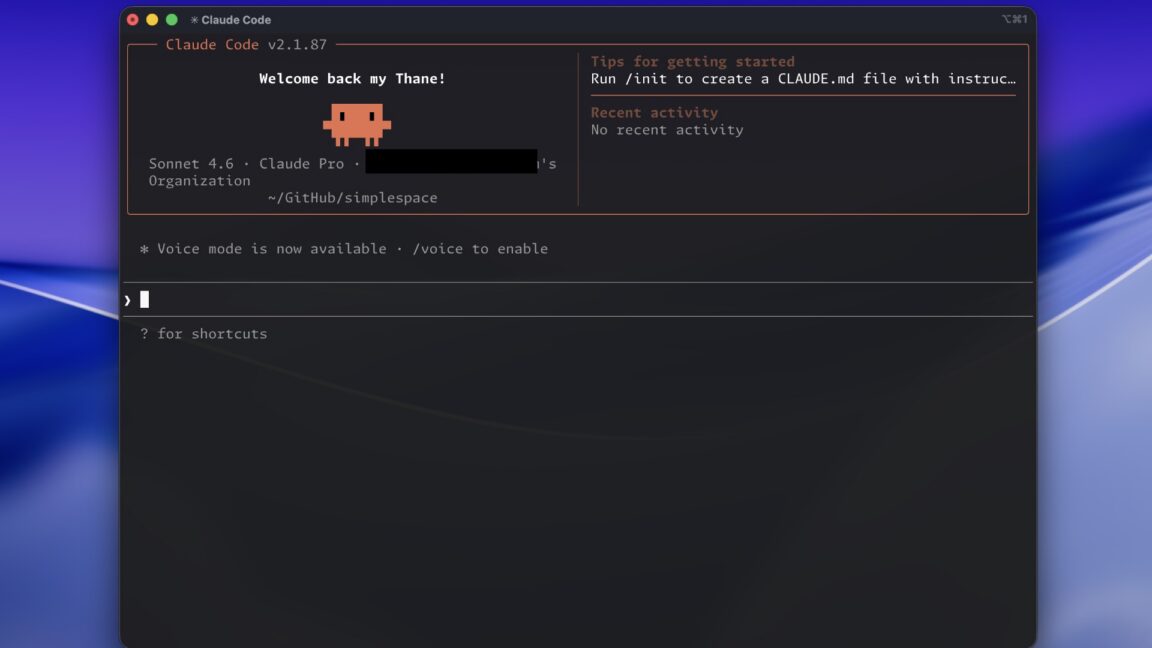
Code exposure and the peril of map files
Ars Technica’s report draws attention to a critical security vulnerability: a map file leak within Claude Code CLI that exposes significant portions of the codebase. The implications extend beyond a single project, illustrating how release artifacts and mapping artifacts can enable reverse-engineering or targeted exploitation. For developers and security teams, the incident reinforces the importance of secure packaging, strict access to source maps, and layered defenses around tooling used to build and orchestrate AI agents. It also spotlights the need for secure by design principles, including minimized data exposure, robust auditing, and rapid remediation workflows when artifacts leak.
From a governance perspective, the Claude Code CLI leak is a reminder that open-source-like ecosystems require stringent governance overlays when used in production, particularly for high-assurance AI workflows. Enterprises should demand stricter supply-chain controls, prompt incident reporting, and a culture of responsible disclosure to minimize risk to customers and partners. In summary, the Claude Code leakage event is a cautionary tale about the fragility of modern AI tooling stacks and the urgent need for comprehensive security hygiene across all components of an AI-enabled tech stack.
Industry takeaway: secure code supply chains and artifact governance are non-negotiables as AI tooling becomes deeply integrated into production environments, especially in high-stakes applications.