
Executive snapshot
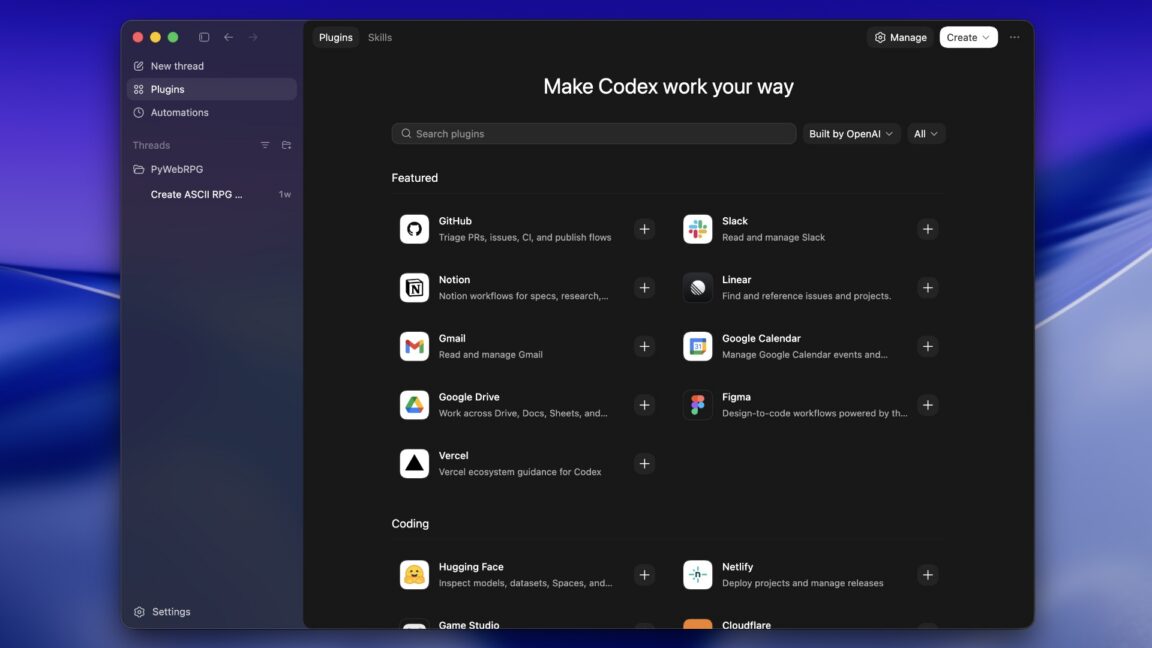
The Ars Technica report on OpenAI’s plugin expansion for Codex signals a deliberate step to close the capability gap with Claude Code. Plugins have long been a marquee feature for modern LLM ecosystems, enabling Codex to operate with first-class access to external tools, data sources, and execution environments. The practical upshot is a more capable, developer-friendly Codex that can perform complex tasks with fewer hand-offs to human engineers. This matters because it reinforces a broader MCP (multi-chain prompt) dynamic, where agents orchestrate diverse capabilities across services and data silos.
From a technical lens, plugins shift Codex from a pure self-contained model to a hybrid system that leverages API contracts, structured prompts, and safety rails. The architectural implications are non-trivial: you must manage plugin discovery, versioning, and runtime isolation to prevent prompt-driven misuse. The Claude Code angle — Claude’s ecosystem evolved in parallel with Claude Code’s plugin ecosystem — increases competitive pressure and nudges OpenAI to accelerate interoperability and developer tooling.
Strategically, the move underscores a broader trend: AI platforms are increasingly defined by their ecosystems. Plugins become a moat, especially if they’re broadly adoptable across sectors, from software development to data analytics and enterprise automation. The risk, however, is that plugin ecosystems can widen attack surfaces and create governance and compliance challenges across different regulatory environments. As OpenAI strengthens Codex’s plugin capabilities, enterprises must weigh governance, data residency, and plugin trust signals when integrating third-party tools.
In sum, Codex plugins are more than a feature upgrade; they are a signal that the AI platform wars are increasingly fought on the architecture of interoperability. The pace of ecosystem enhancement will be a direct barometer for how quickly enterprises move to MCP-driven automation without sacrificing safety and control.
Takeaway for practitioners: Expect accelerated plugin development, more cross-platform workflows, and a heightened emphasis on plugin governance. If you’re building AI-enabled developer tools, prioritize robust plugin security, auditing capabilities, and a clear strategy for data governance that aligns with your regulatory standards.