
Overview
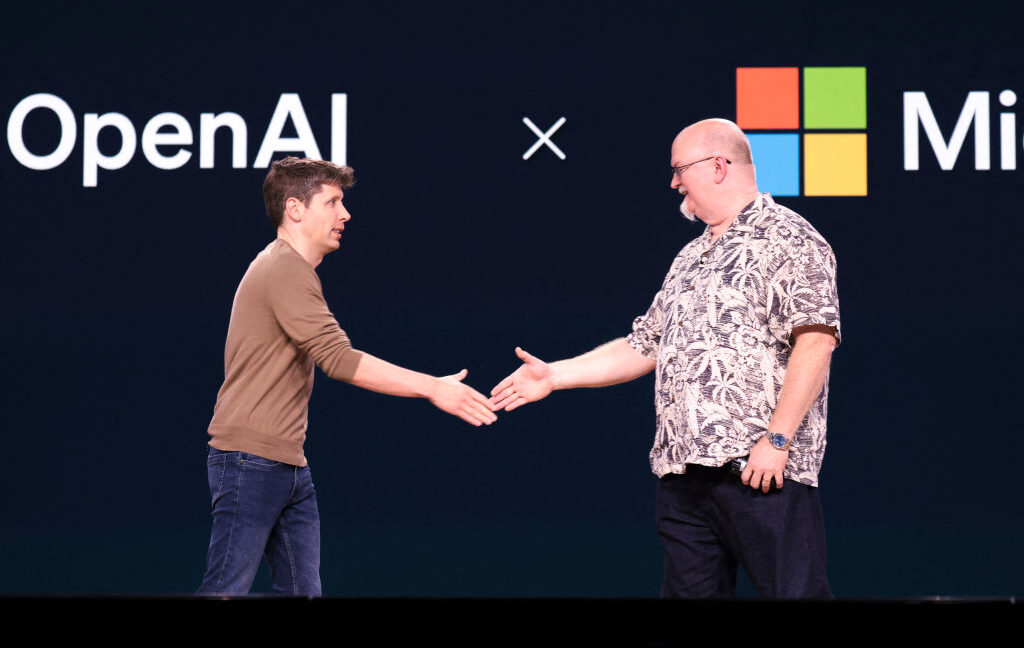
OpenAI’s decision to end its exclusive partnership with Microsoft marks a consequential shift in how AI platforms are distributed and consumed at scale. The Ars Technica coverage frames this as a deliberate move to diversify cloud infrastructure, enabling OpenAI models to run on other providers such as Amazon Bedrock. The decision’s timing is notable as it comes amid broader industry conversations about AI governance, cloud strategy, and the economics of high-powered AI services. The implications ripple through customer contracts, developer ecosystems, and competitive dynamics among hyperscalers who vie to host the most advanced AI workloads.
From a strategic standpoint, this move preserves OpenAI’s flexibility to optimize performance, cost, and compliance for enterprise customers while maintaining a leadership position in AI productization. It also repositions Microsoft as a premier partner, not a monopolist, potentially broadening OpenAI’s distribution footprint and accelerating enterprise adoption by reducing single-provider dependency.
Industry and Regulatory Context
- Cloud diversity: Agencies and enterprises seeking vendor-neutral AI deployment gain leverage, potentially decreasing vendor lock-in risks.
- Security and compliance: Multi-cloud strategies must address identity and access management, policy uniformity, and FedRAMP-style certifications for regulated sectors.
- Competitive dynamics: Bedrock, Google Cloud, and other platforms could accelerate investments to attract OpenAI’s capabilities, intensifying cloud pricing and feature wars.
Takeaways
OpenAI’s non-exclusivity signals a maturing AI ecosystem where top-tier models are portable across leading clouds. For IT leaders, the practical question becomes how to design architecture that preserves security, governance, and performance while enabling flexible deployment. For developers and startups, broader hosting options reduce seasonality risk in AI infrastructure costs and expand potential partnerships with customers who have specific cloud commitments.